





 Japanese Studies & International Dialogue Navigation
05/03/2026
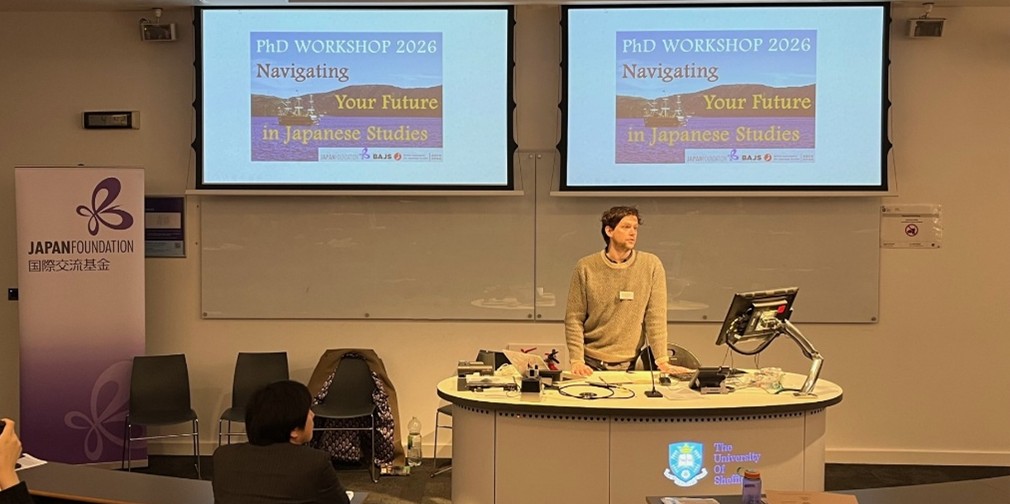
On Thursday 26 and Friday 27 February, the Japan Foundation/British Association for Japanese Studies 2026 took place, this time at the University of Sheffield.
This year, we decided to organize the workshop over two days, to allow the students more time for networking, and to enable a varied programme with different speakers across both days.
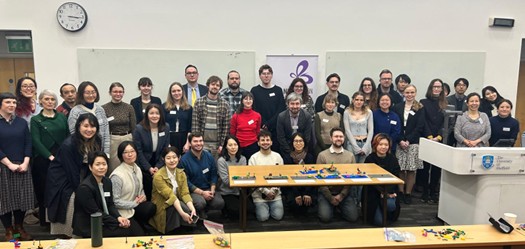
30 postgraduate students from across the UK visited Sheffield for the workshop, from all sorts of different disciplines and at varying stages of their PhDs or studies.
We had a packed programme, kicking off with welcome speeches from Prof. Jennifer Coates, BAJS President and Senior Lecturer in East Asian Studies at the University of Sheffield. The Director of the Japan Foundation, Mr Kaoru Miyamoto also welcomed the students and reflected on the current climate within Japanese Studies, encouraging everyone to enjoy the two days and make the most of their time at the workshop.
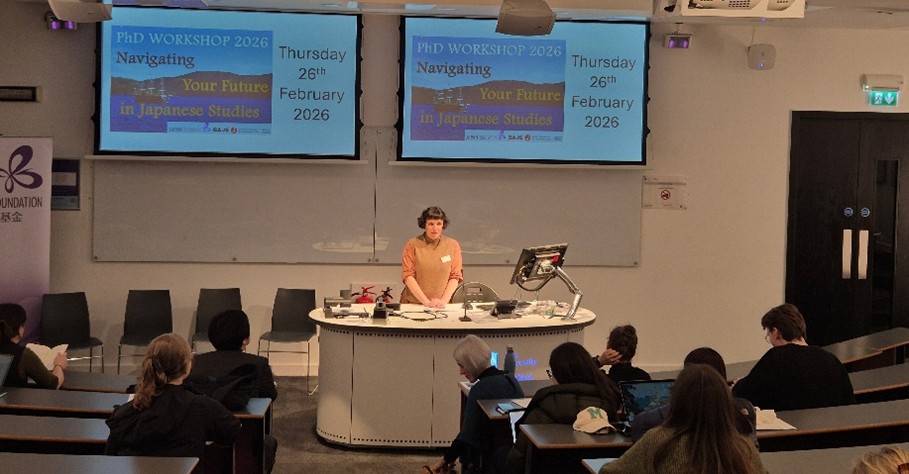
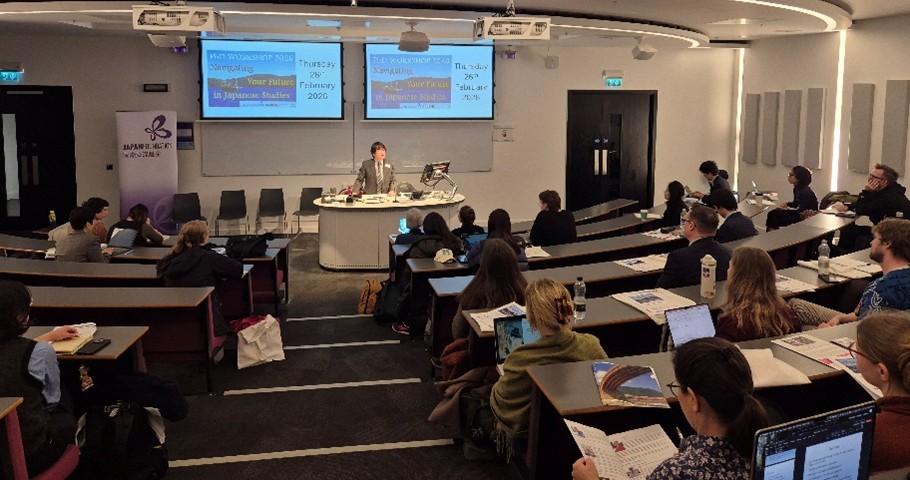
The workshop programme was as follows.
Day One:
Session One: Panel discussion on job applications and the hiring process with Dr. Anna-Viktoria Vittinghoff (Lecturer in East Asian Studies, University of Sheffield), Prof. Kate Taylor-Jones (Professor of Global Cinema and Media, Head of Department, School of Languages, Arts and Societies, University of Sheffield) and Prof. Erica Baffelli (Professor of Japanese Studies, The University of Manchester)
The speakers reflected on their own experiences, before giving specific advice on how to find jobs, what kind of jobs students could look for with their academic experiences, advice on what to put on their CVs and cover letters. How to prepare for interviews, different types of interview, followed by a Q&A.
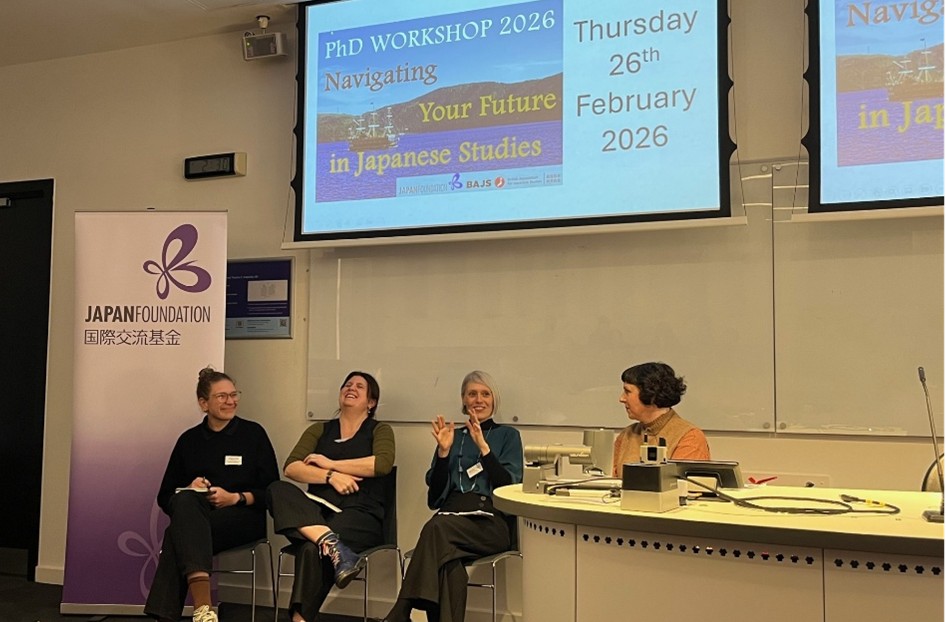 Session Two: Funding opportunities for Japanese Studies with presentations from The Great Britain Sasakawa Foundation (GBSF), Japan Society for the Promotion of Science (JSPS), The Daiwa Anglo-Japanese Foundation (DAJF), The Japan Foundation (JF) and The British Association for Japanese Studies (BAJS).
Each organisation provided information about funding opportunities and programmes available to support activities and research by students and academics.
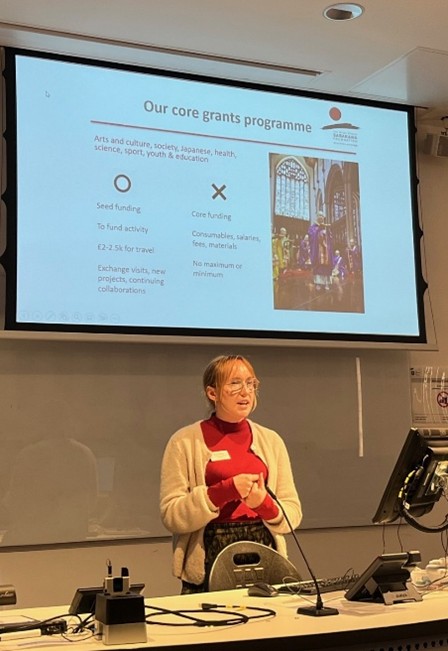
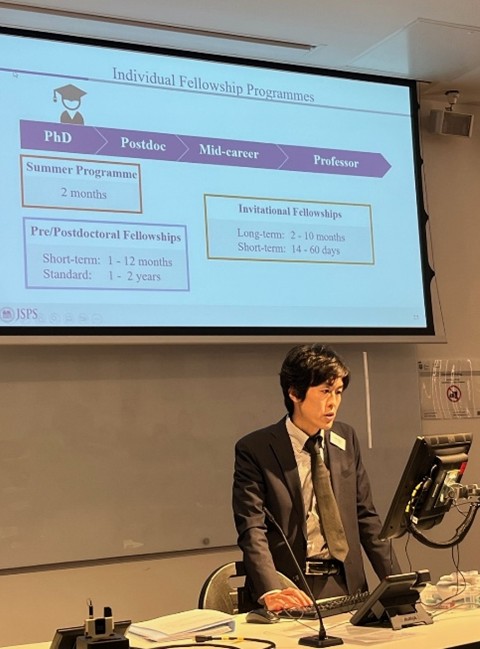
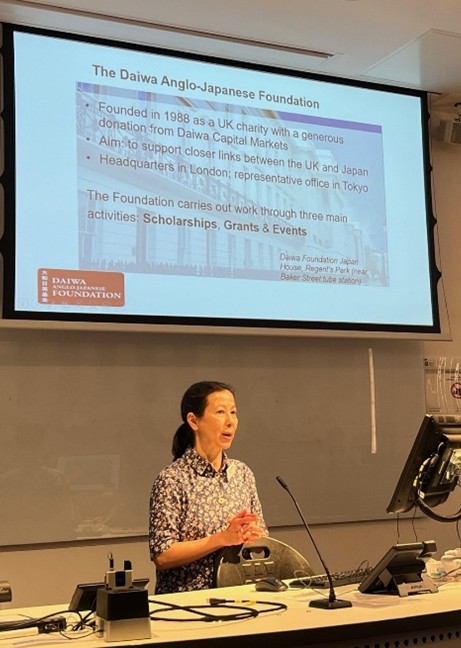
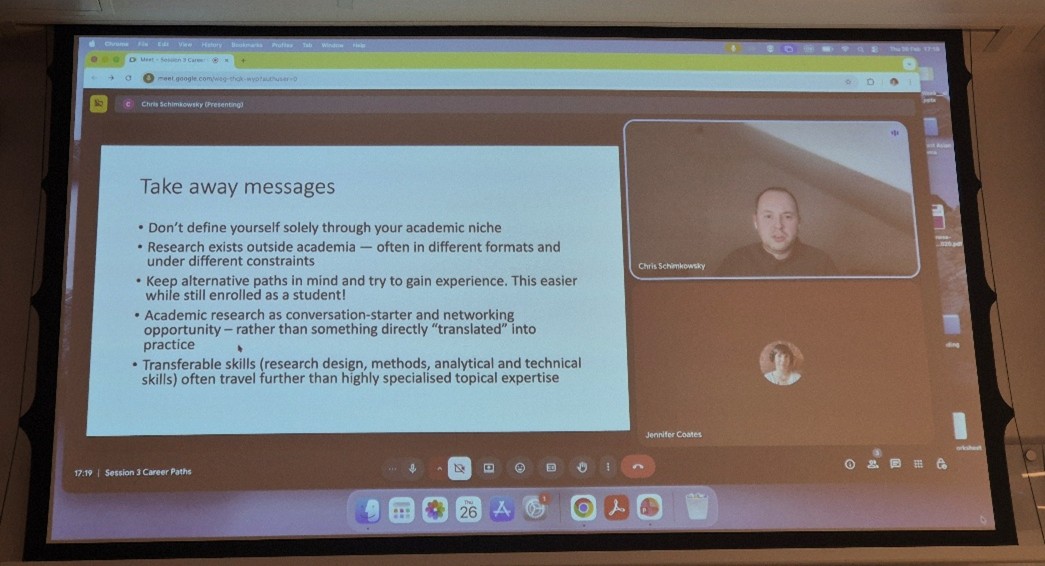
Session Three: Life after PhD – with Dr Jacob Barber (Senior Principal Social Research Officer & Head of Post Office Redress Analysis at the Department of Business and Trade) and Dr Chris Schimkowsky (User Researcher for Adobe).
This year, we invited speakers who had undertaken PhDs but now work in jobs outside academia, to provide students with a wider range of experiences for them to learn from. The speakers discussed how the experiences and skills learned during their PhDs helped to lead to their current roles. Both speakers reflected on which skills they personally found they could develop and transfer to their jobs, and how adjusting mindset to embrace different identities can open up to different career paths.
Day one ended with a drinks reception, where students could talk and network with one another and get to know each other before the presentation session on the following day.
Day Two:
Session Four: Student Presentation Sessions
This was an opportunity for the student participants to present their research to their peers. Students had a 15-minute time slot each to present and answer questions from their peers and the academics who were assigned to the groups. This year, each group had very good discussions after each presentation, with students asking each other thoughtful and interesting questions, as well as making suggestions for further reading or idea development where appropriate. The academic facilitators provided their own insight and encouraged students to contribute as much as possible.
Students were divided into three groups based on their research disciplines.
Group 1: Arts, Media, and Communications.
Group 2: Modern History and Social Movements.
Group 3: Anthropology, History, Religion and the Transnational.
We were joined by: Prof. Erica Baffelli, Prof. Jennifer Coates, Dr. Fumihito Gotoh (Lecturer in East Asian Studies, University of Sheffield), Dr. Saori Shibata (Lecturer in East Asian Studies, University of Sheffield), Dr. Nozomi Uematsu(Lecturer in Japanese Studies, University of Sheffield) and Dr. Zoe Zhu (Senior Lecturer in East Asian Studies, University of Sheffield).
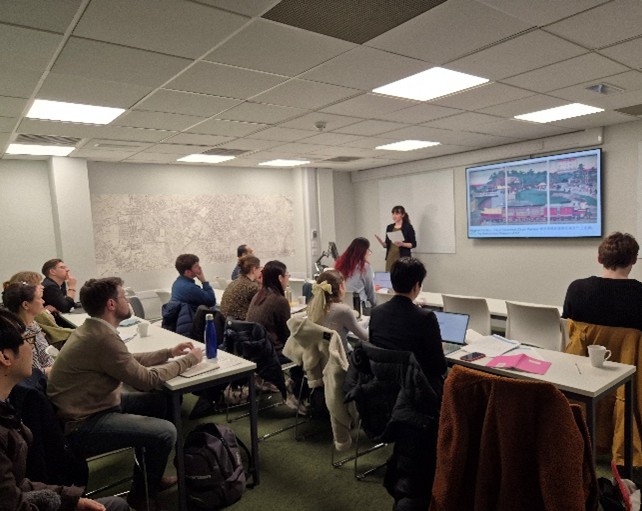
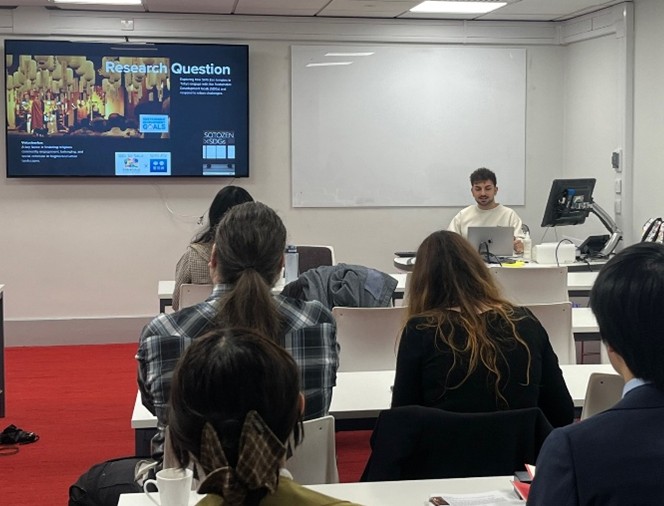
Session Five: Workshop on Collaborative Groupwork using Lego Toolkit
After lunch, Dr Zoe Zhu led a workshop on collaborative groupwork to promote sharing and listening when working in teams. During this session, students were put into small groups of mixed disciplines so they had the opportunity to meet and work with new faces. The students spoke about their academic identities, research goals, and research values, while using Lego to illustrate and explain ideas.
It was a great chance for the students to speak in mixed interdisciplinary groups, talk about their research and their research identities to find commonalities and differences.
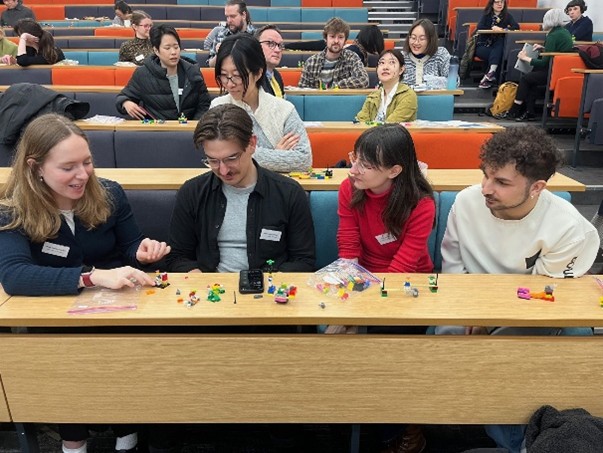
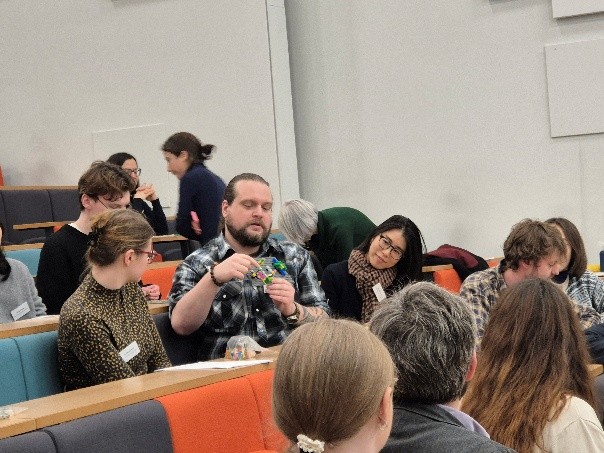
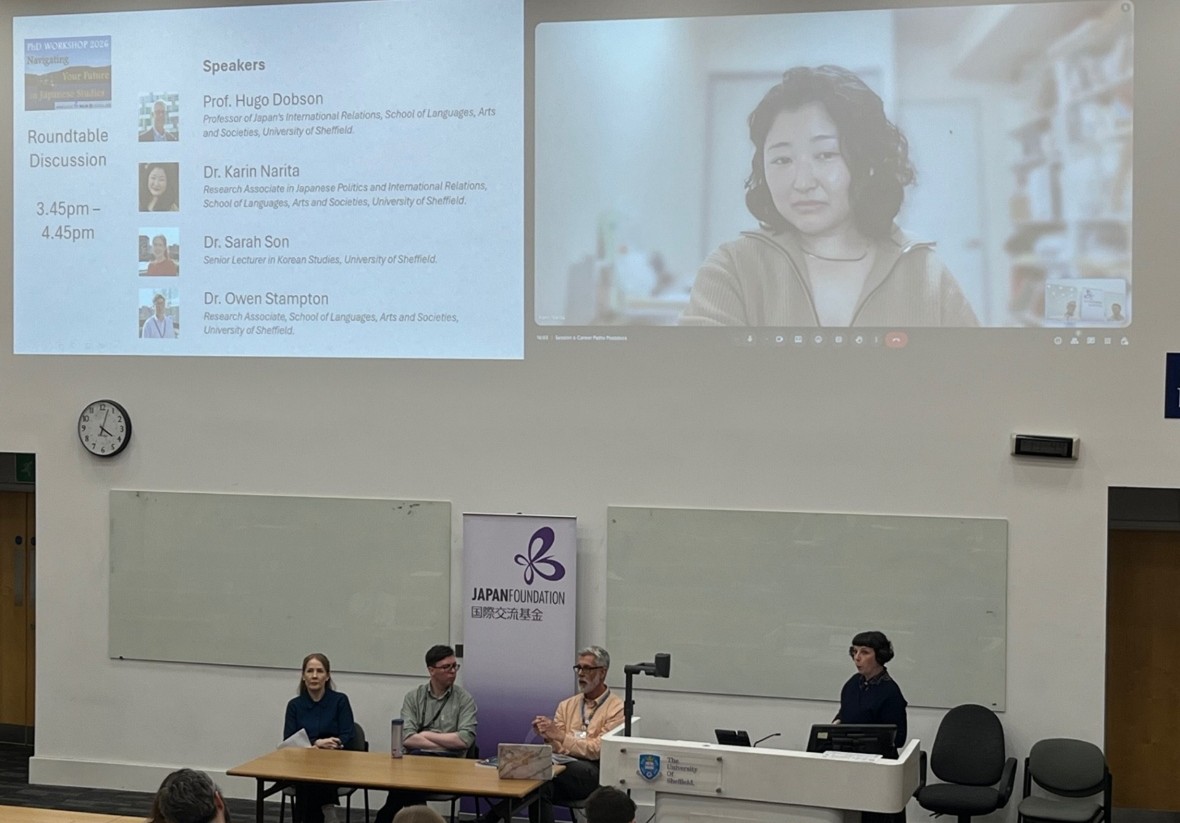
Session Six: Life after PhD – postdoctoral focus with Prof. Hugo Dobson (Professor of Japan’s International Relations, University of Sheffield), Dr. Karin Narita (Research Associate in Japanese Politics and International Relations, University of Sheffield), Dr. Sarah Son (Senior Lecturer in Korean Studies, University of Sheffield) and Dr. Owen Stampton (Research Associate at the Centre for Korean Studies, University of Sheffield)
In the final session of the workshop, we heard from two academics who had hired a postdoctoral researcher each, and the postdoctoral researchers who had been hired. Prof. Dobson and Dr. Son detailed their experiences hiring and searching for postdoctoral candidates for their research. Dr. Narita and Dr. Stampton spoke about their post-PhD job hunting, how they found the interview process, and their different experiences in their postdoctoral research positions. All four speakers had a unique perspective that they shared with the student attendees. This was then followed by a Q&A session where the attendees could ask questions about the process.
We ended with final remarks from Prof. Jennifer Coates and Mr. Kaoru Miyamoto, who thanked the students for attending the workshop and congratulated everyone on their hard work.
The Japan Foundation would like to thank our co-organisers at the British Association for Japanese Studies (BAJS) for another year running a successful postgraduate workshop.
Special thanks to the University of Sheffield for their help in organising and holding the event and helping to ensure that the event ran so smoothly.
We would also like to extend a huge thank you to the speakers and academic advisors who contributed so enthusiastically to each session, giving up their time during their busy schedules to attend and participate in the workshop.
Finally, the most important thank you goes to our student attendees, who spent two days sharing their thoughts and ideas, who created such wonderful presentations on the second day, and who were respectful of each other and participated so positively.
We hope to see you all again soon at a future event or workshop!
If you would like to find out more about the workshop, or our Japanese Studies activities, please contact our Japanese Studies team at LO_JapaneseStudies@jpf.go.jp.




 The Japan Foundation, London